
One of the problems with writing and working and looking at the internet is that it is very hard to separate fashion from deep change. Yokai Benkler |
Use of personal tablet computers
Tablet computers can store text books, calculators, Computer Algebra Systems, and creative software, and relatively inexpensive alternatives to the iPad, shown at the right, are already available. These computers can also connect to 3G, which could pass the cost of bandwidth back to the student once a daily allowance has been exceeded. It is conceivable that this type of device could replace textbooks, and other single purpose technologies, such as graphic calculators. | 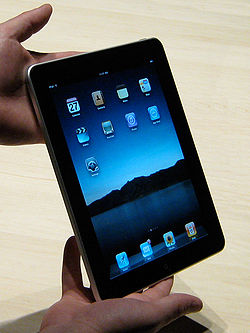 |
E-books
Mashable has a look at Esquire magazine's new layout, designed for the iPad. As the reporter points out, the layout presented here is just one design, created by Esquire magazine for its own purposes. There are many possibilities for mathematics and science text books presented. Among the features shown here: 3D models that can be turned, an interactive survey, embedded video, flexible pagination and ability to hyper-link to other sites and texts. |
Holly Willis, of the |
Improved and affordable IT infrastructure for schools and learning institutions
| 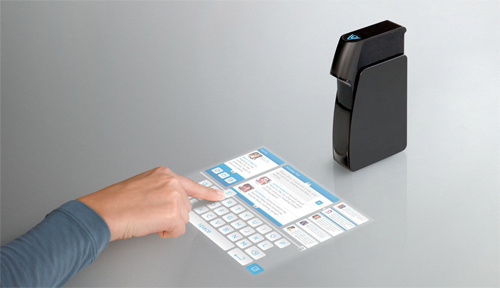 Photo sourced from a Gizmodo review |
differentiated learning learning styles adaptive assessment
- wireless networks
- social networking allowed in schools
- no single purpose calculators
- computers
- free education
- online resources/mashups applicable to education
- online schools
- open source
- epistemic games
